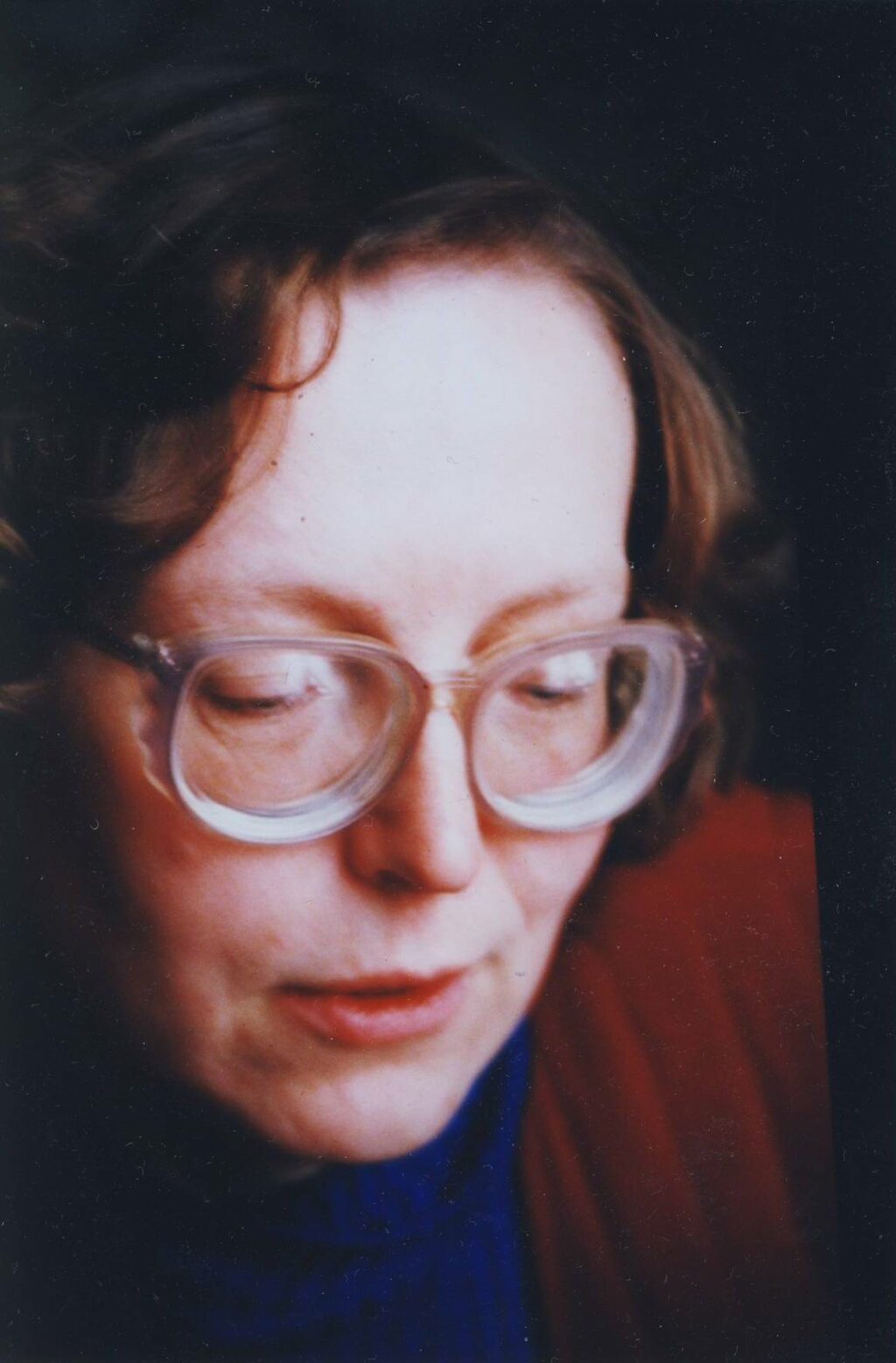
Imme Viidalepp was born on 16 April 1947 in Tartu in the family of folklorist Richard Viidalepp. Her childhood and school years were spent in Tallinn. In 1969 the family moved back to Tartu. From the same year onwards, she worked as a lab assistant in the Art Cabinet at the University of Tartu. After graduating from the Tartu Art School (1972-1976), she worked as a design artist at the University of Tartu. From 1985-1986 she studied at the Villu Tootsi School of Calligraphy.
From 1990 she worked as a teacher at the Tartu Children's Art School in parallel with her work at the University of Tartu. At the same time, a deeper interest in graphics had begun to develop. Having acquired a studio and the necessary equipment for graphic art, as much as was possible at the time, she became active in the field of etching and printmaking.
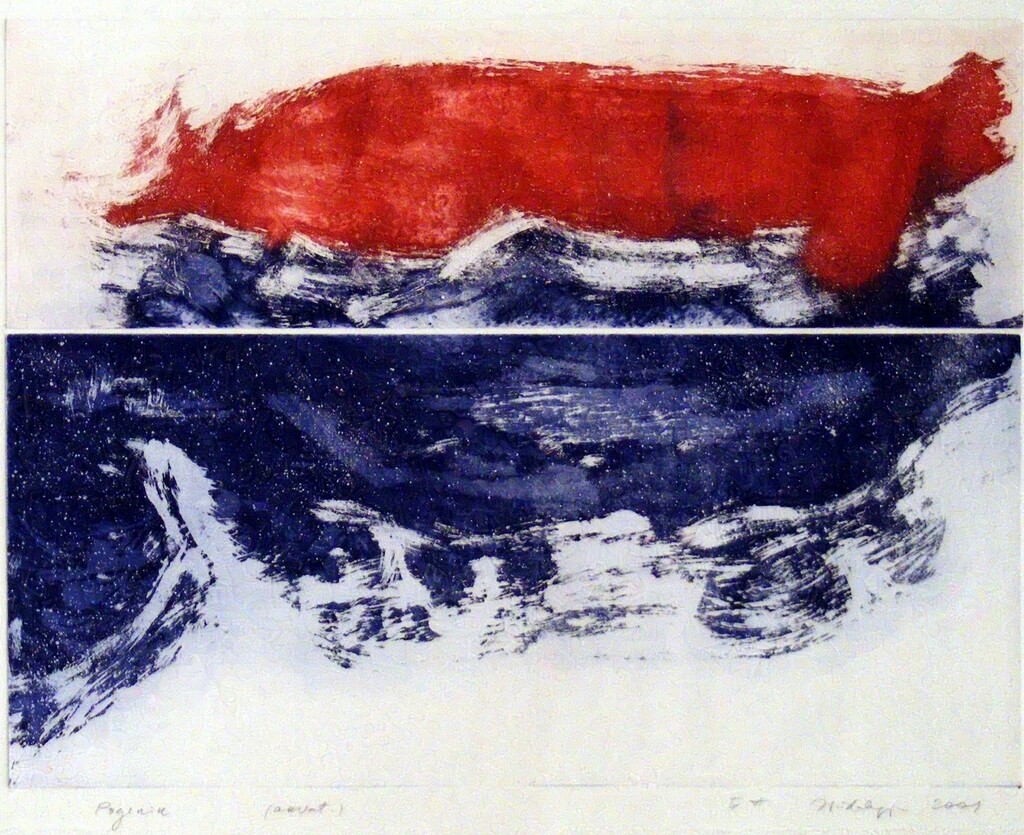
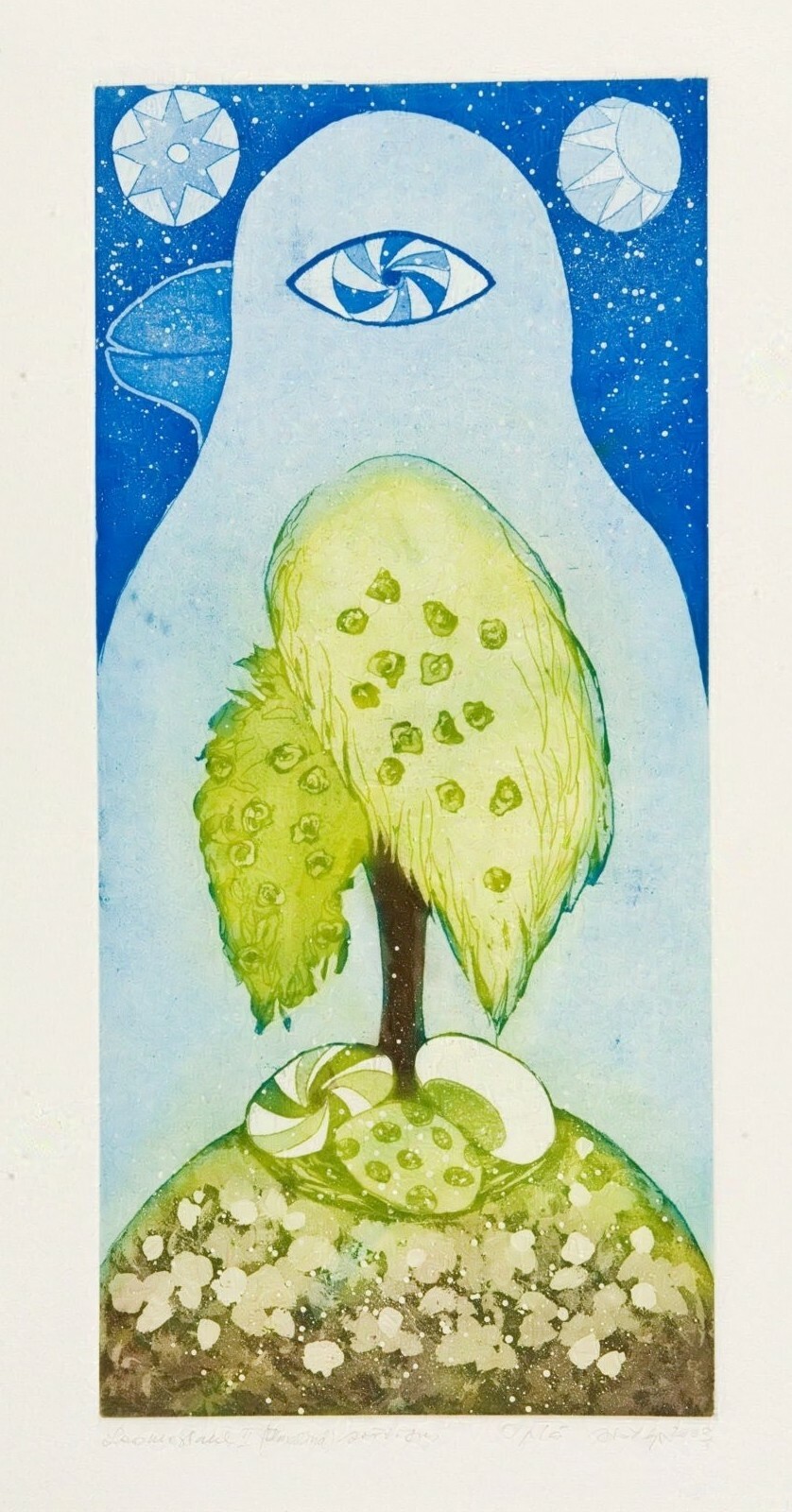
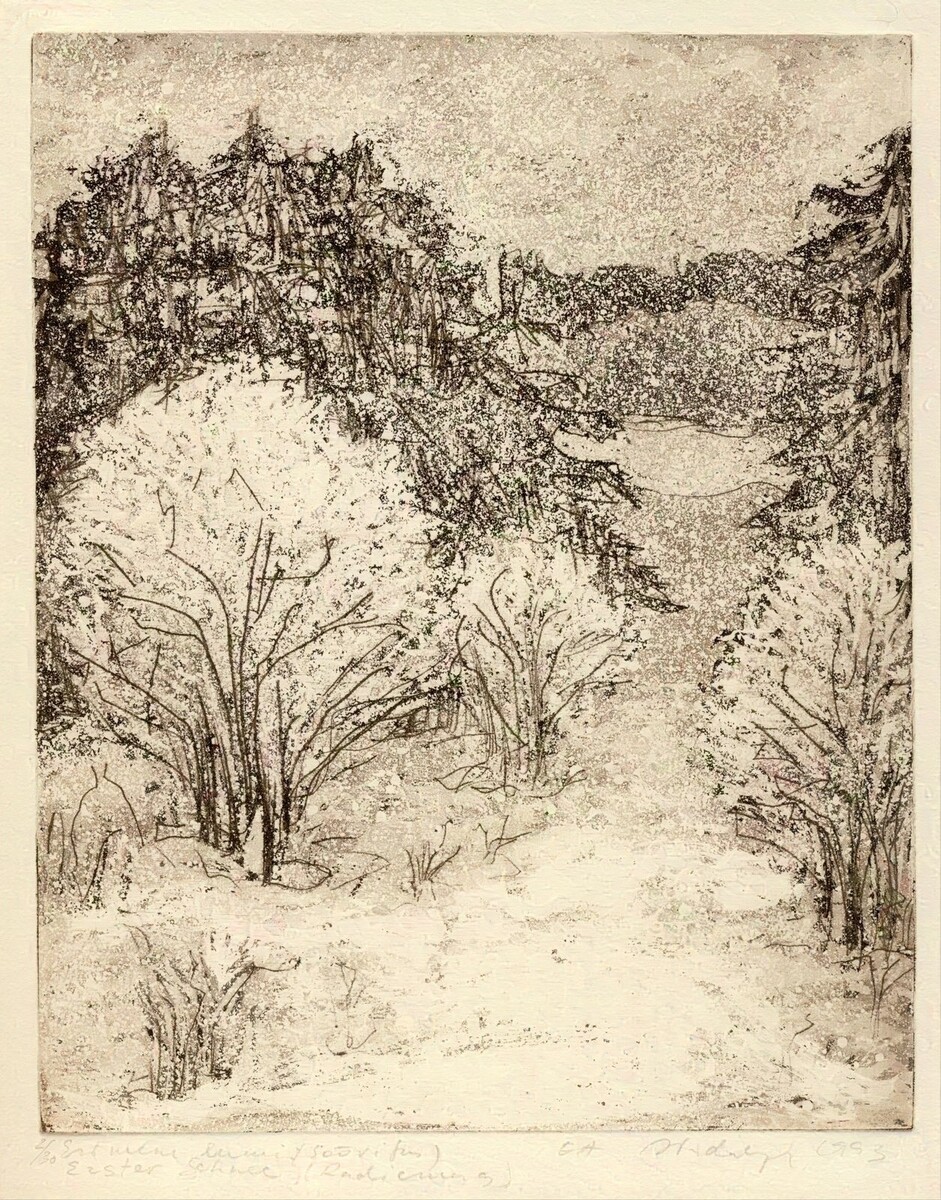
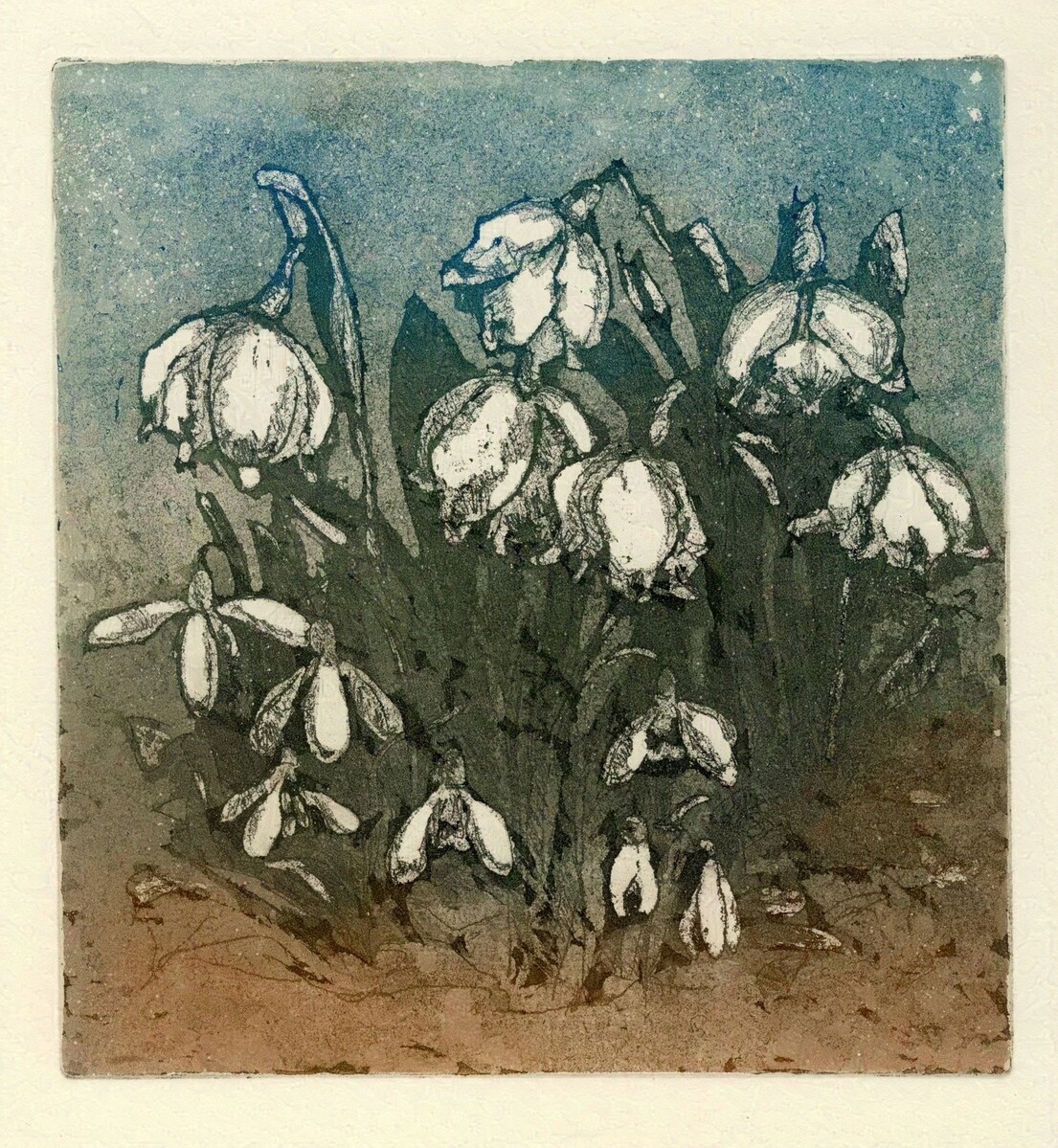
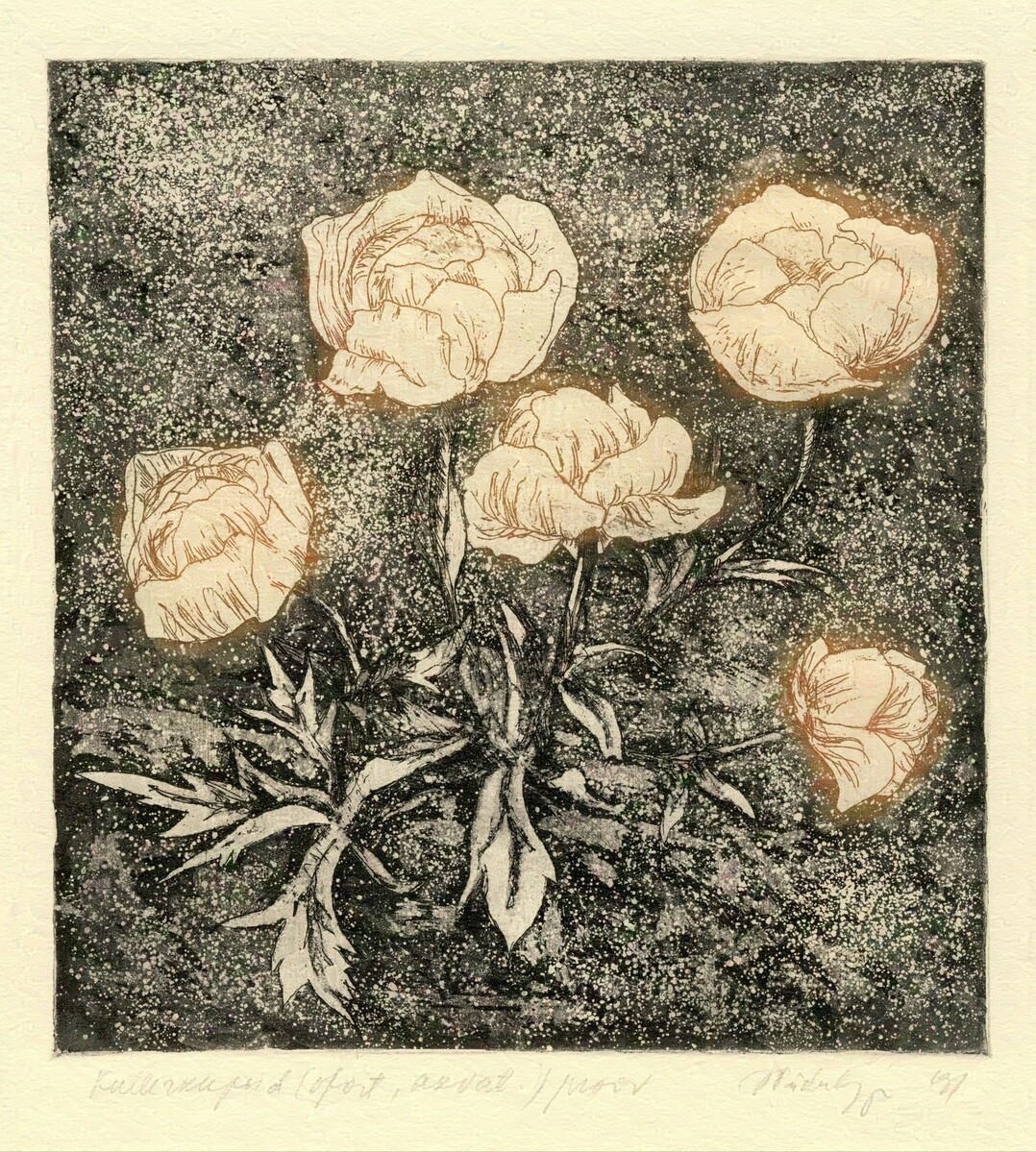
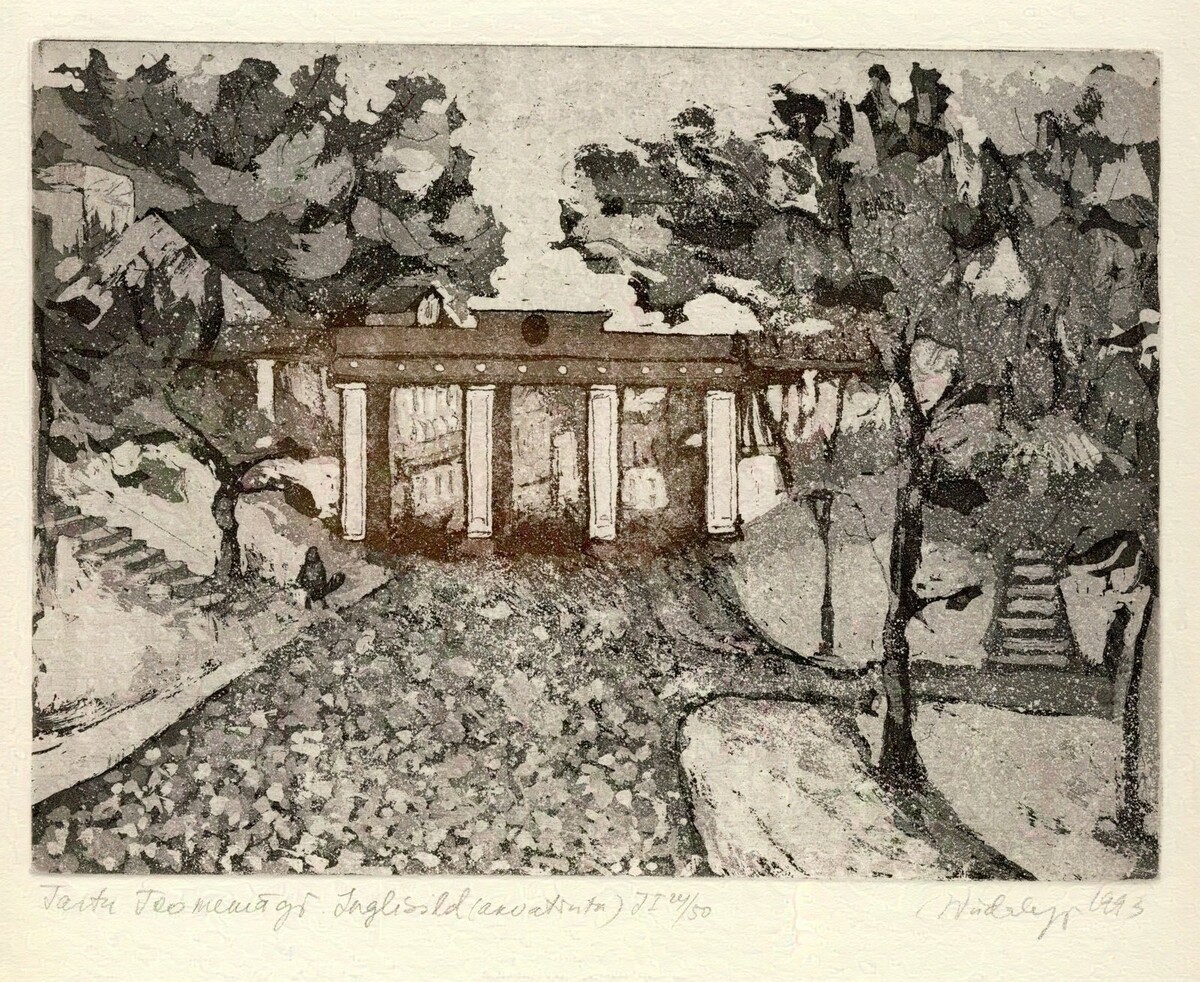
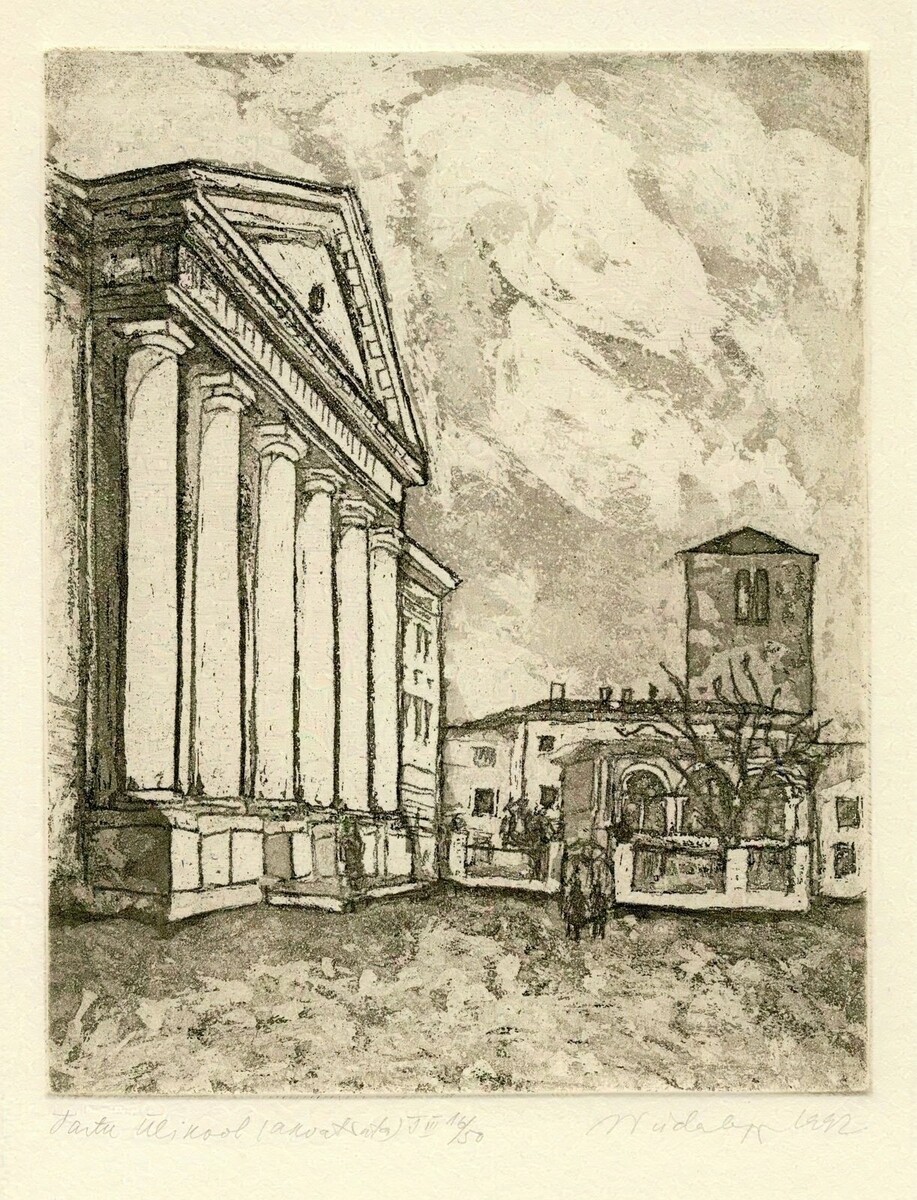
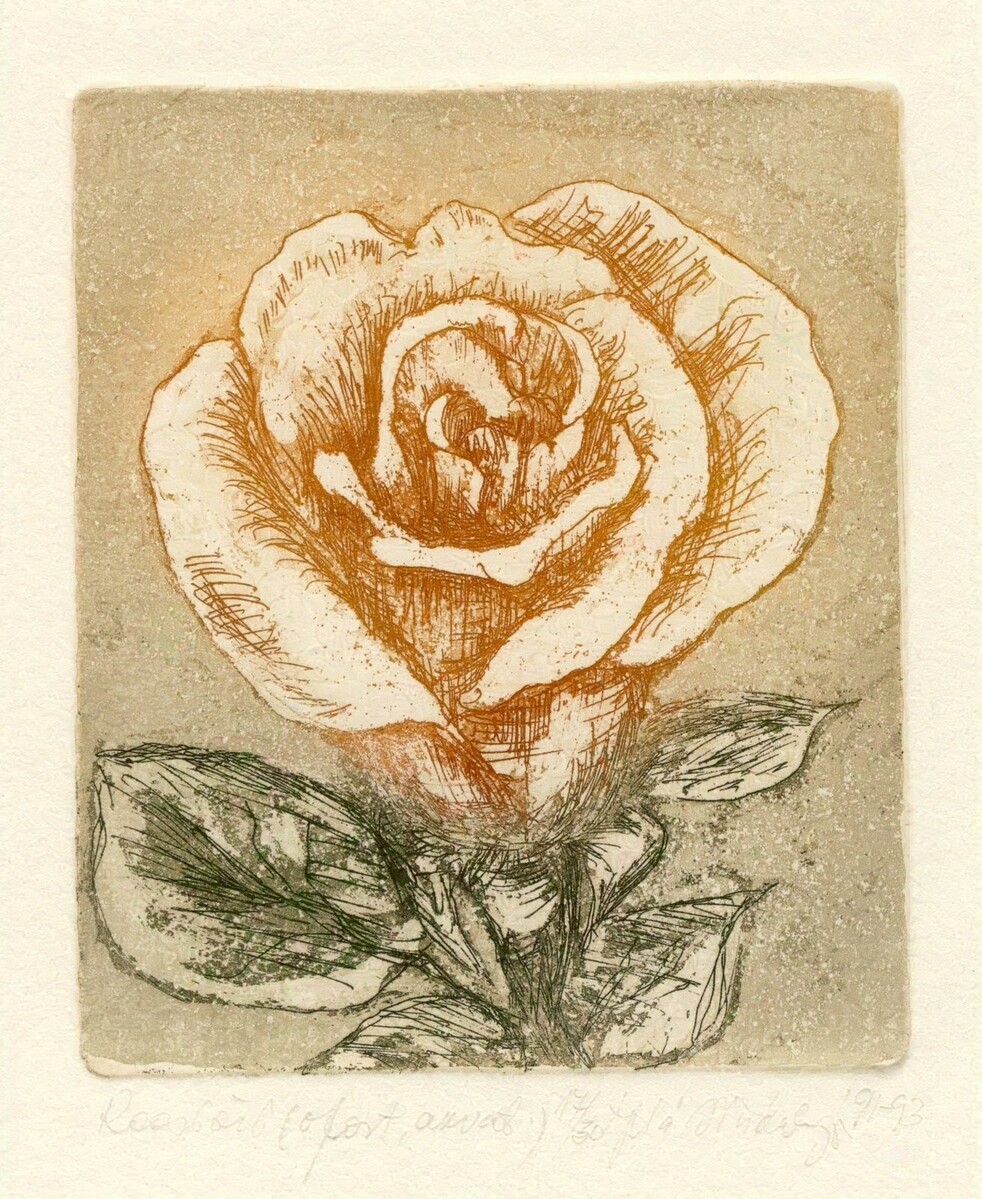
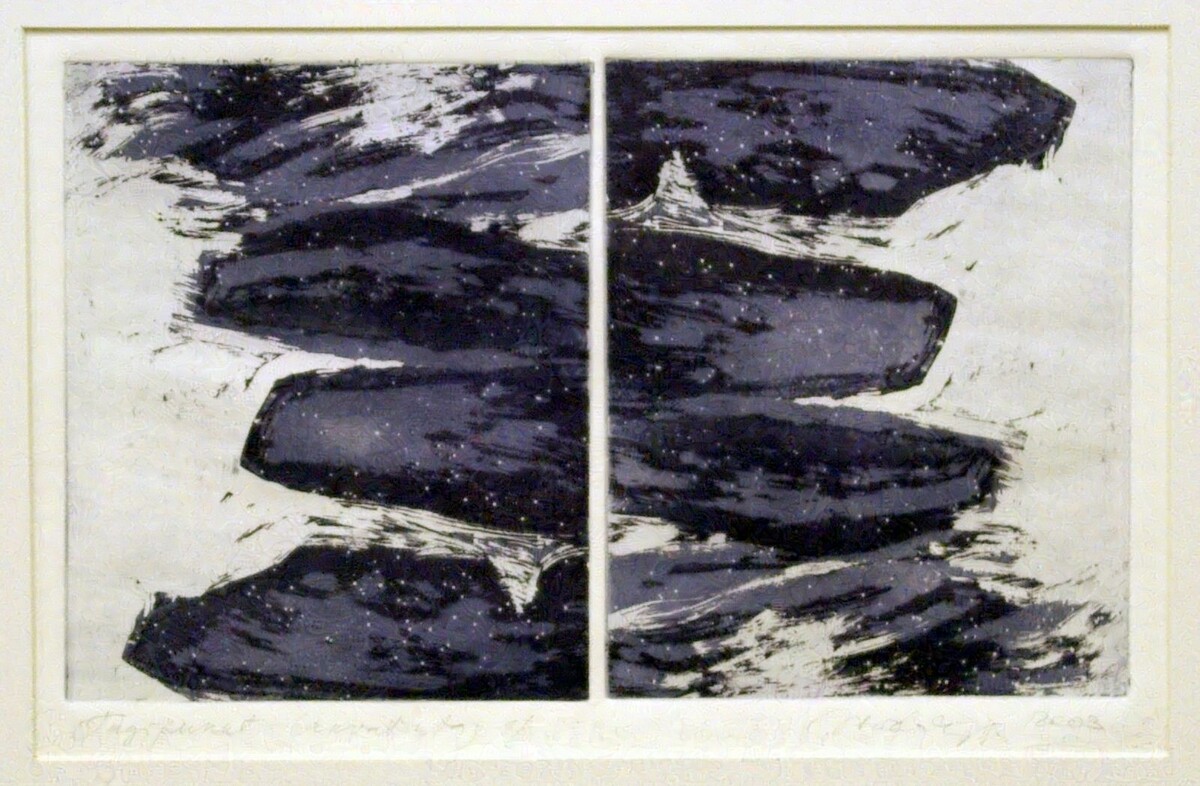
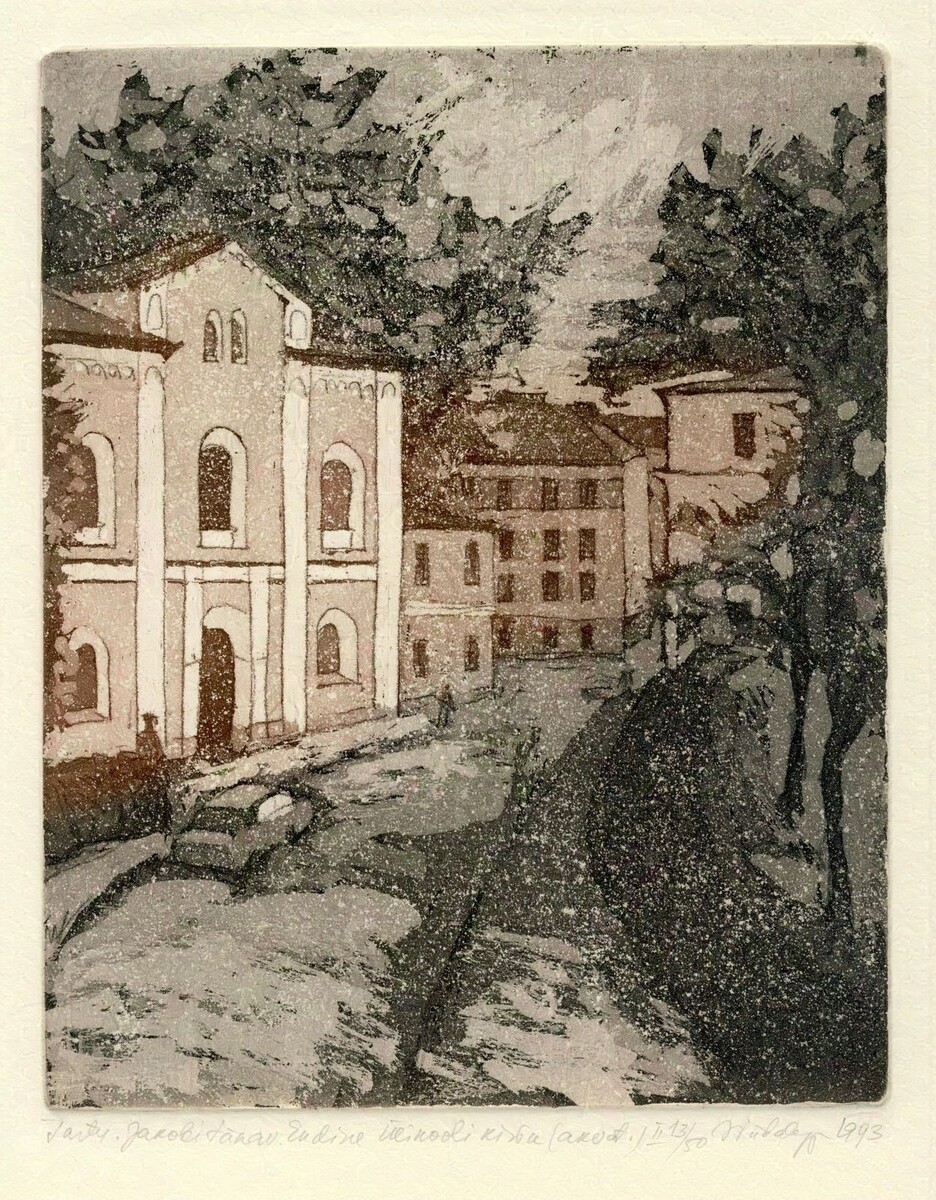
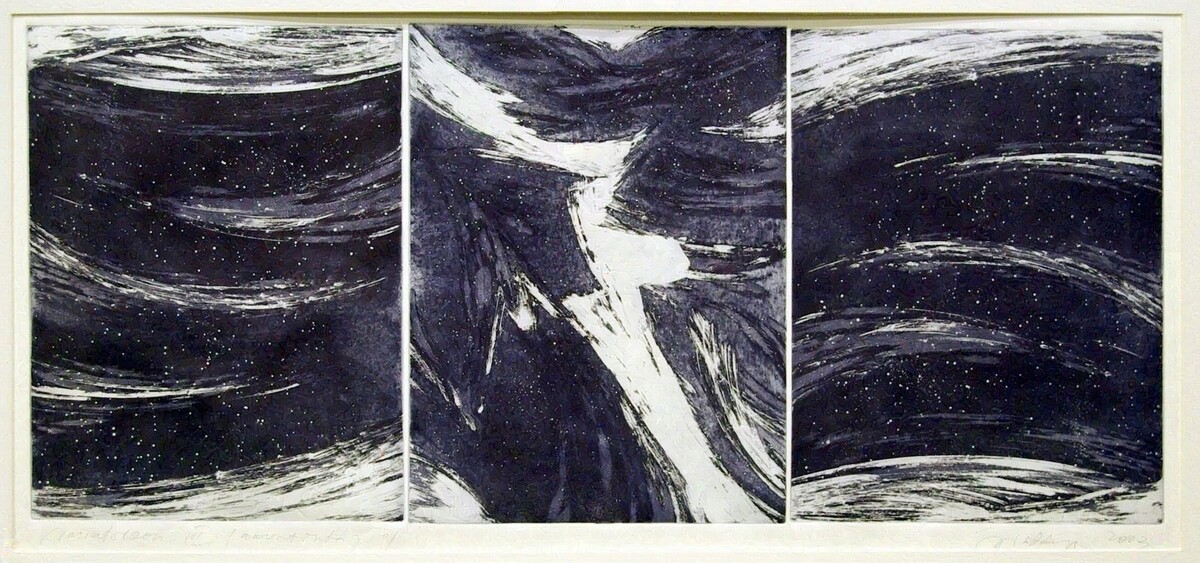
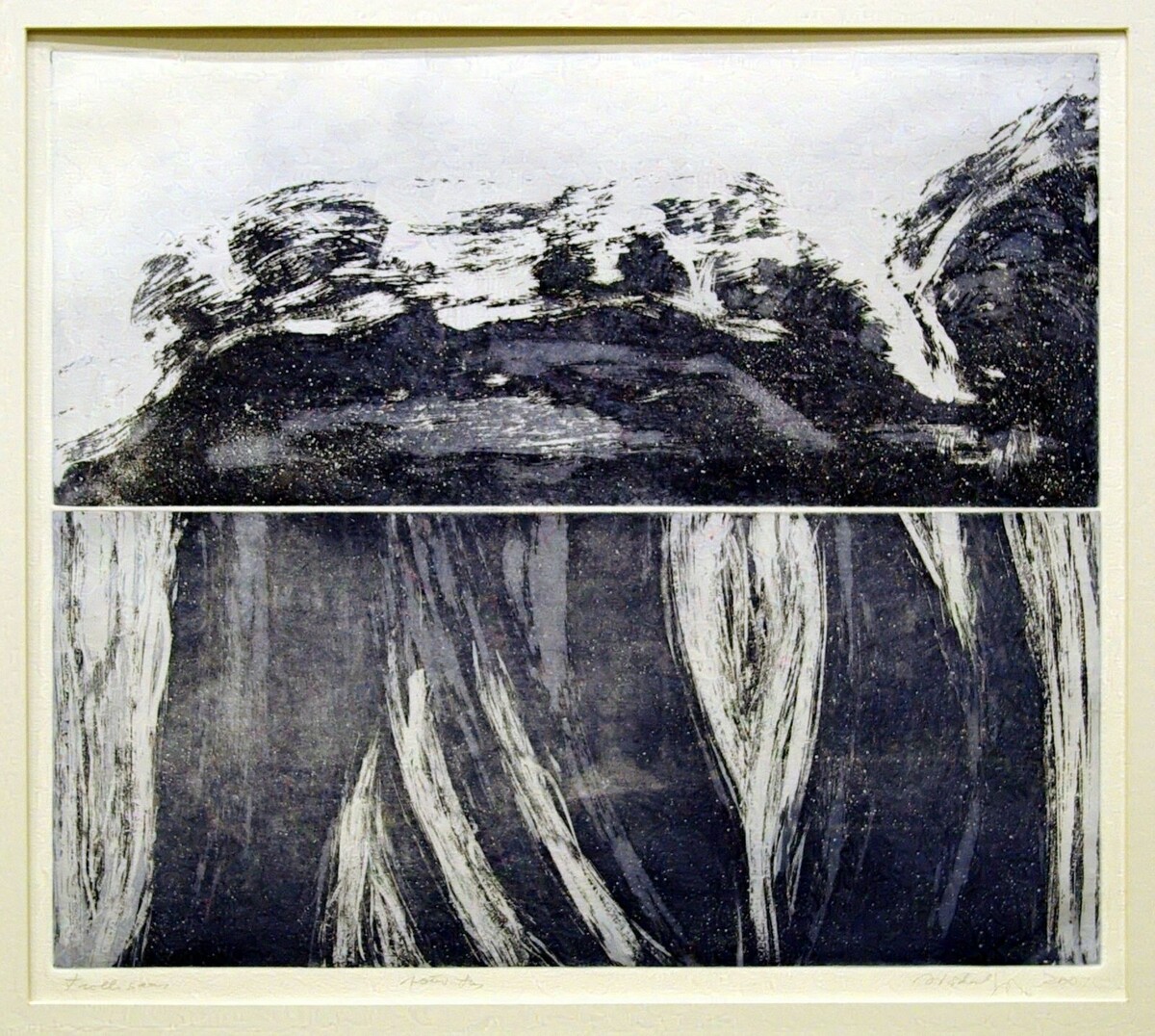
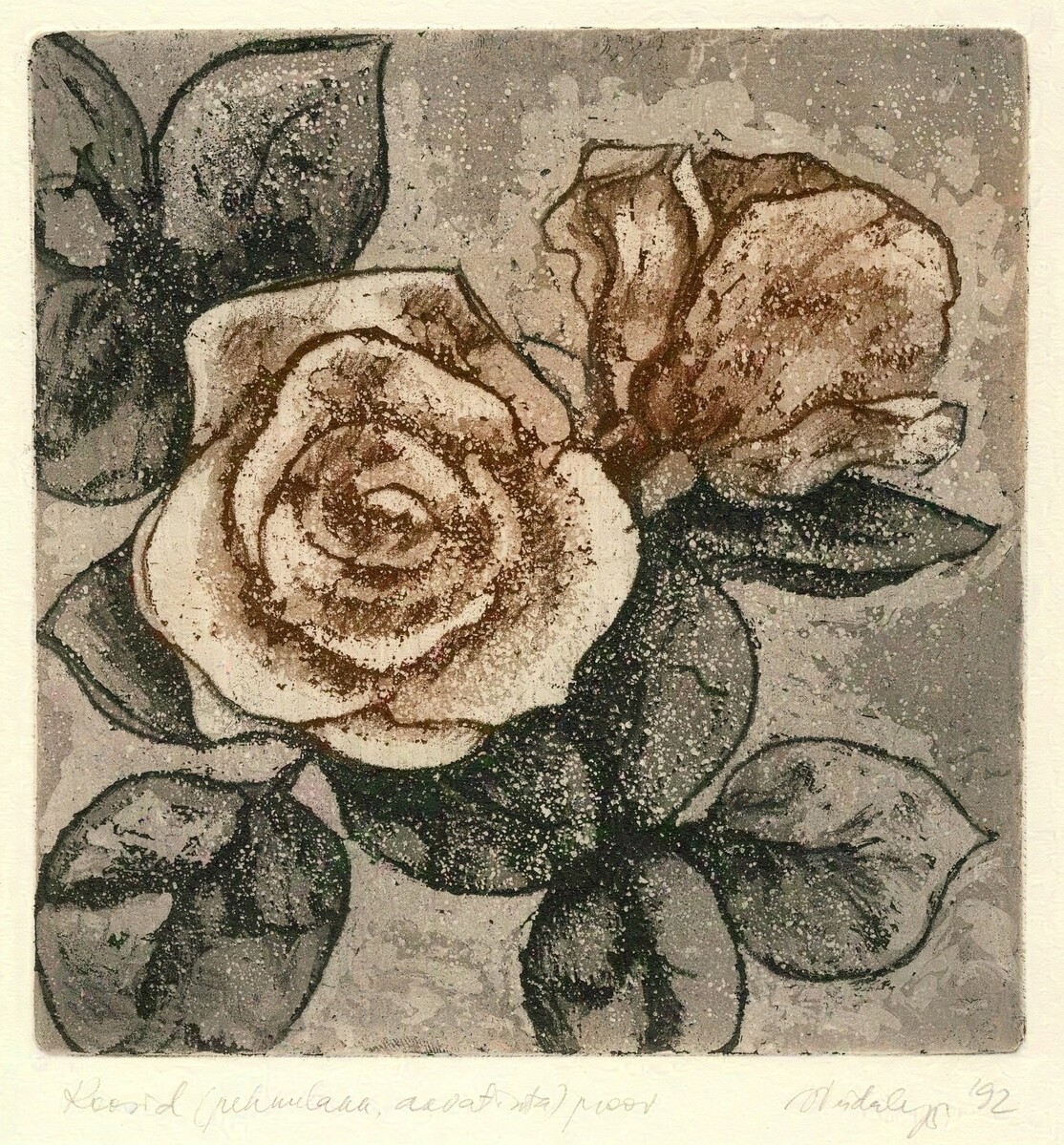
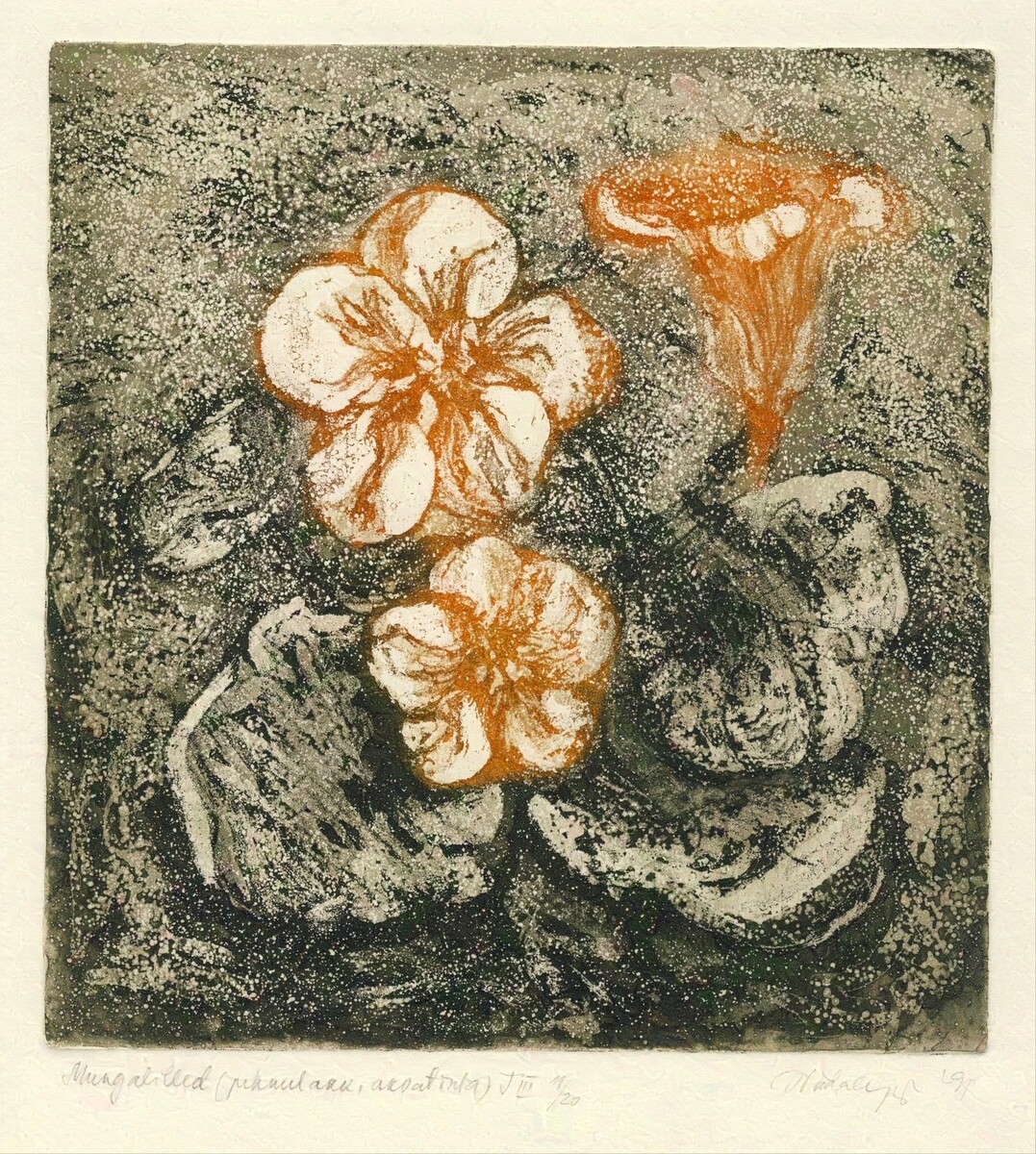
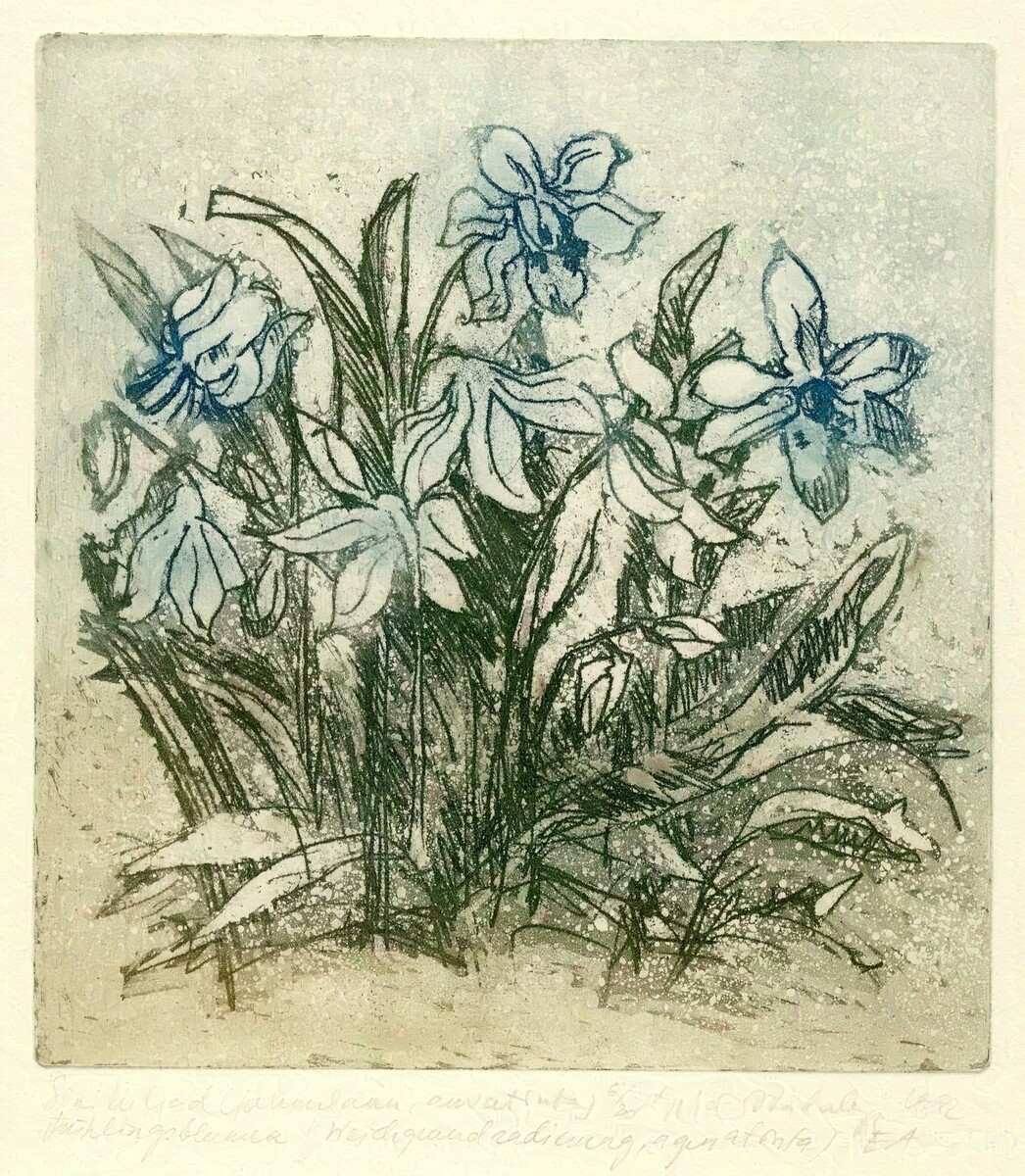
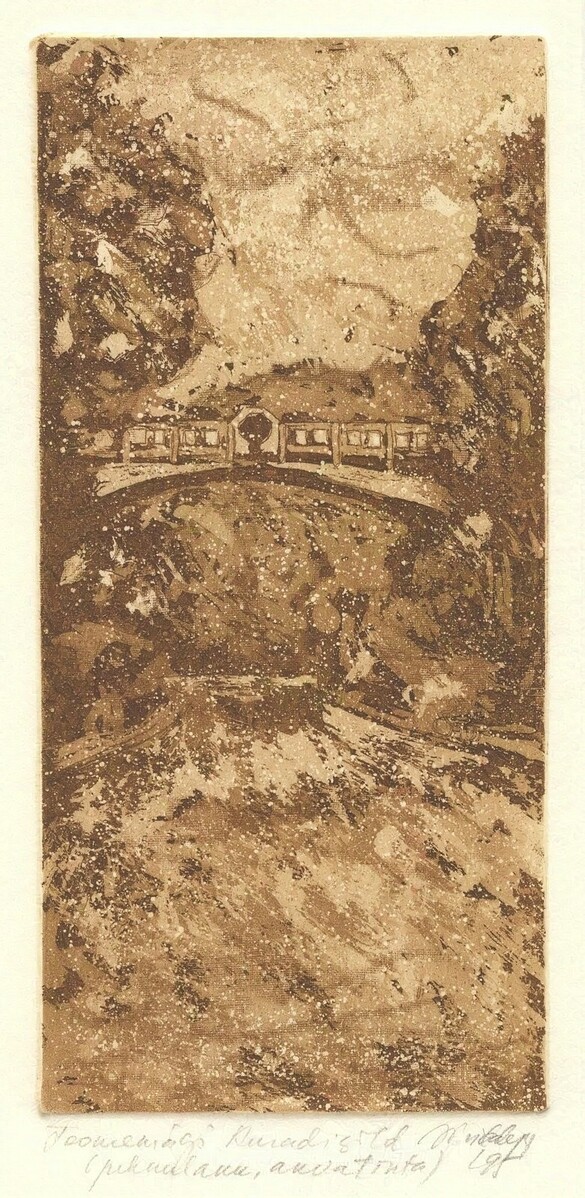
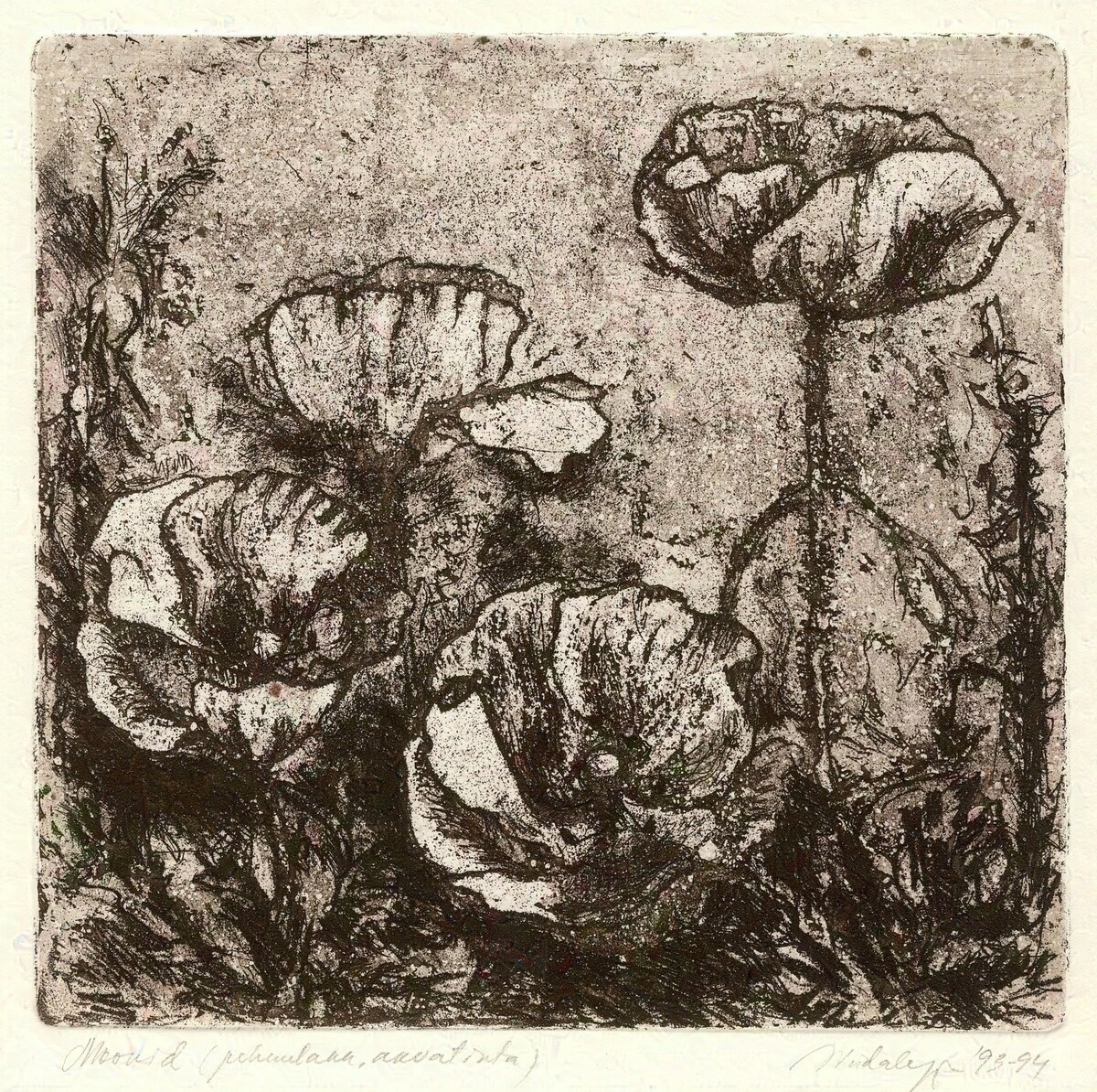
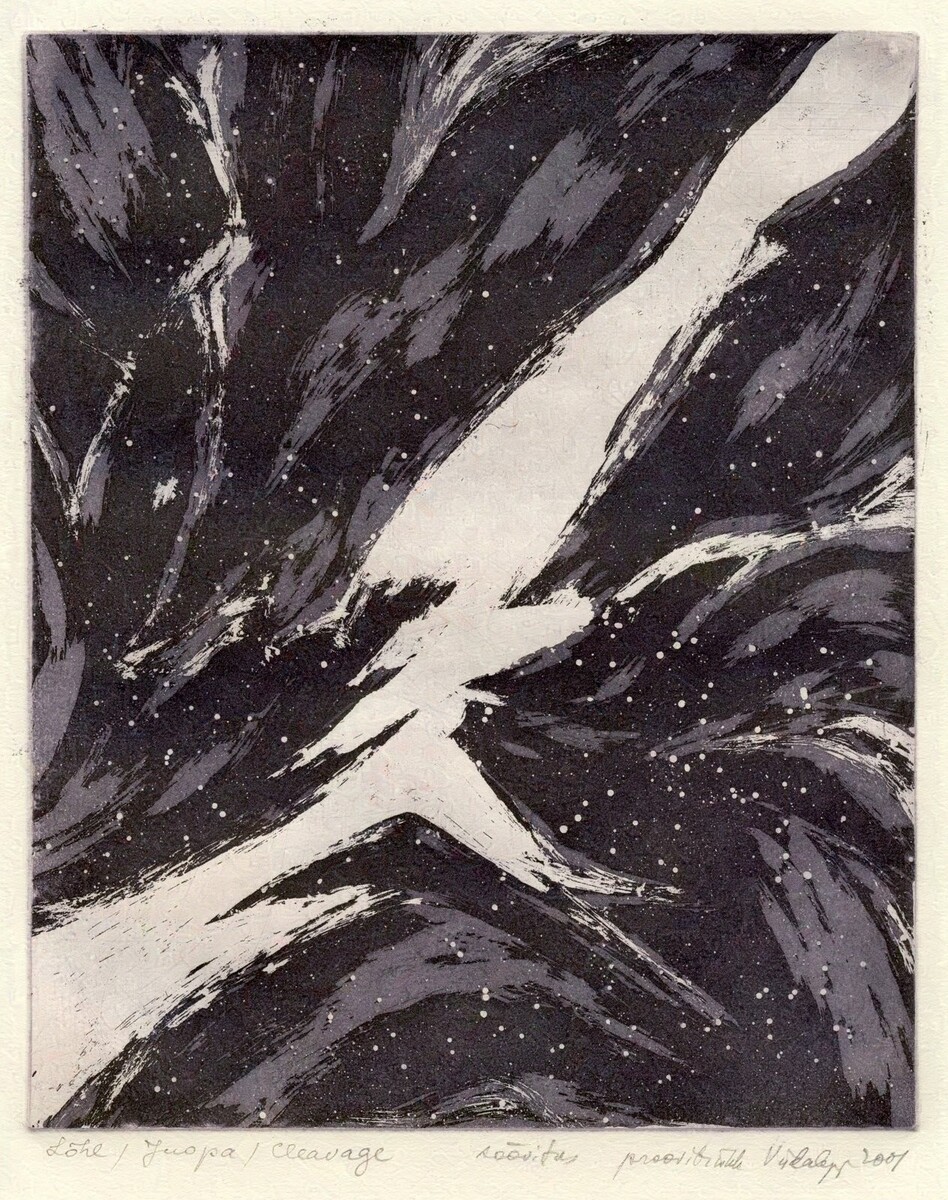
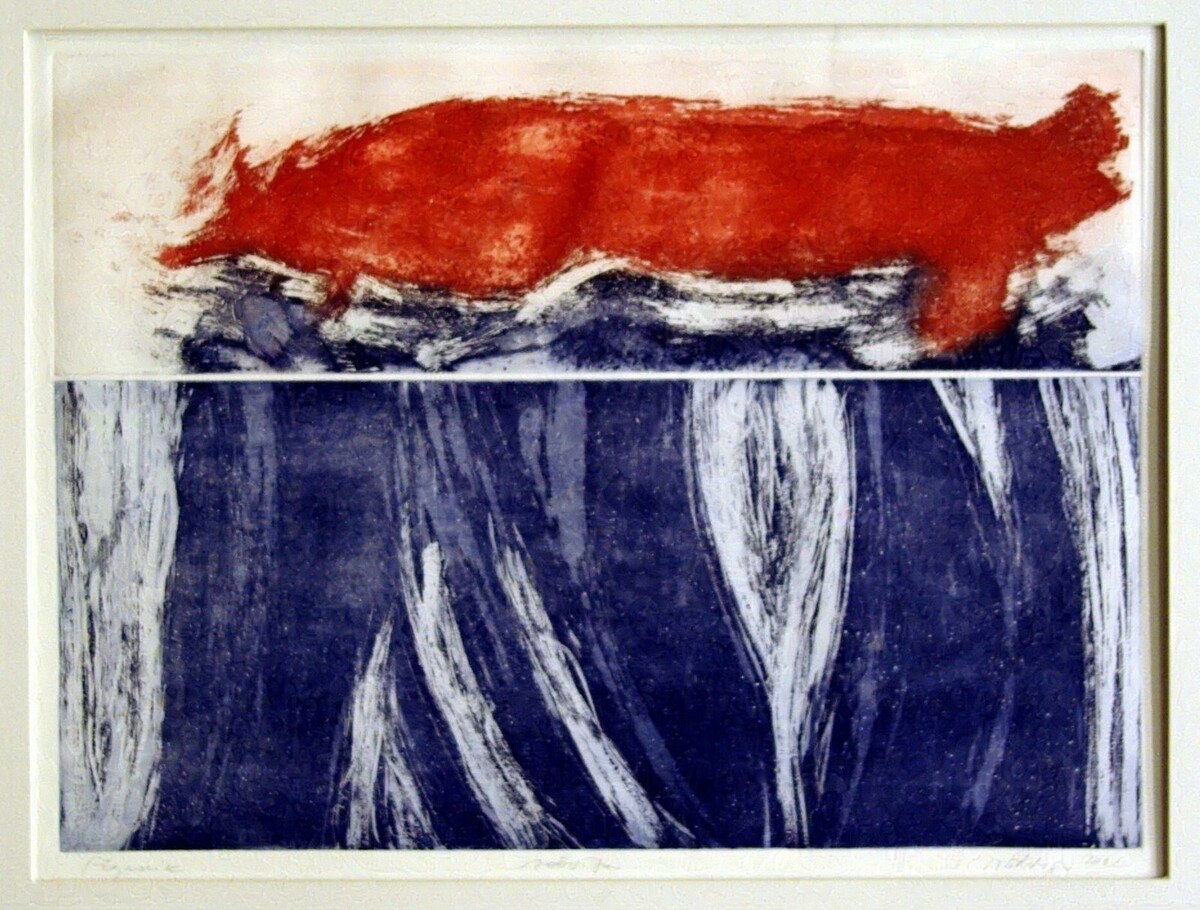
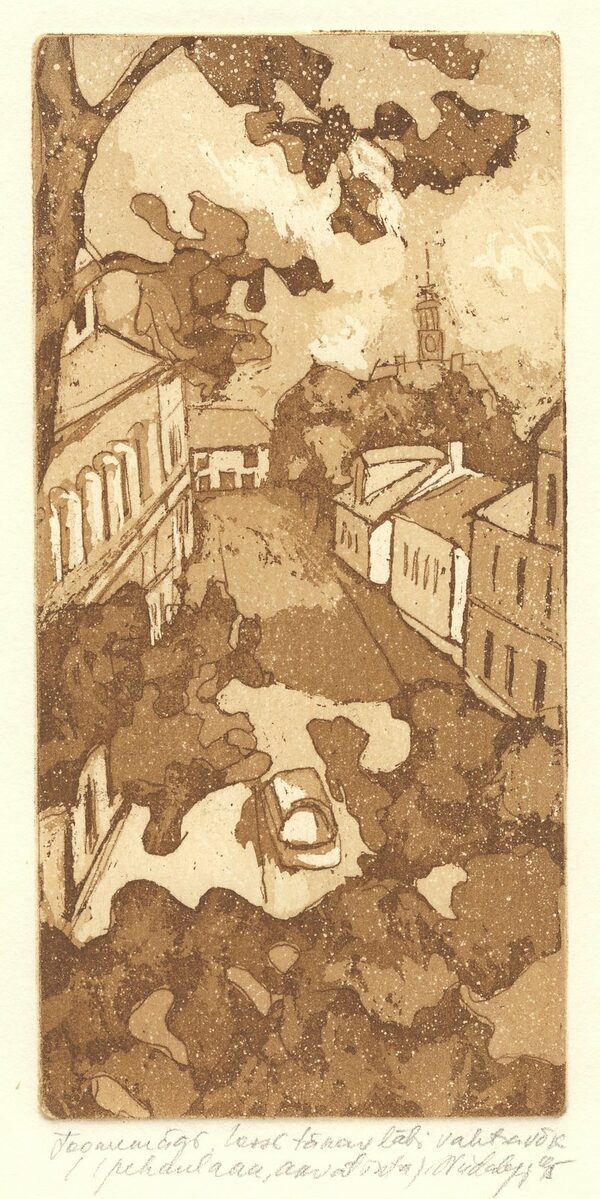
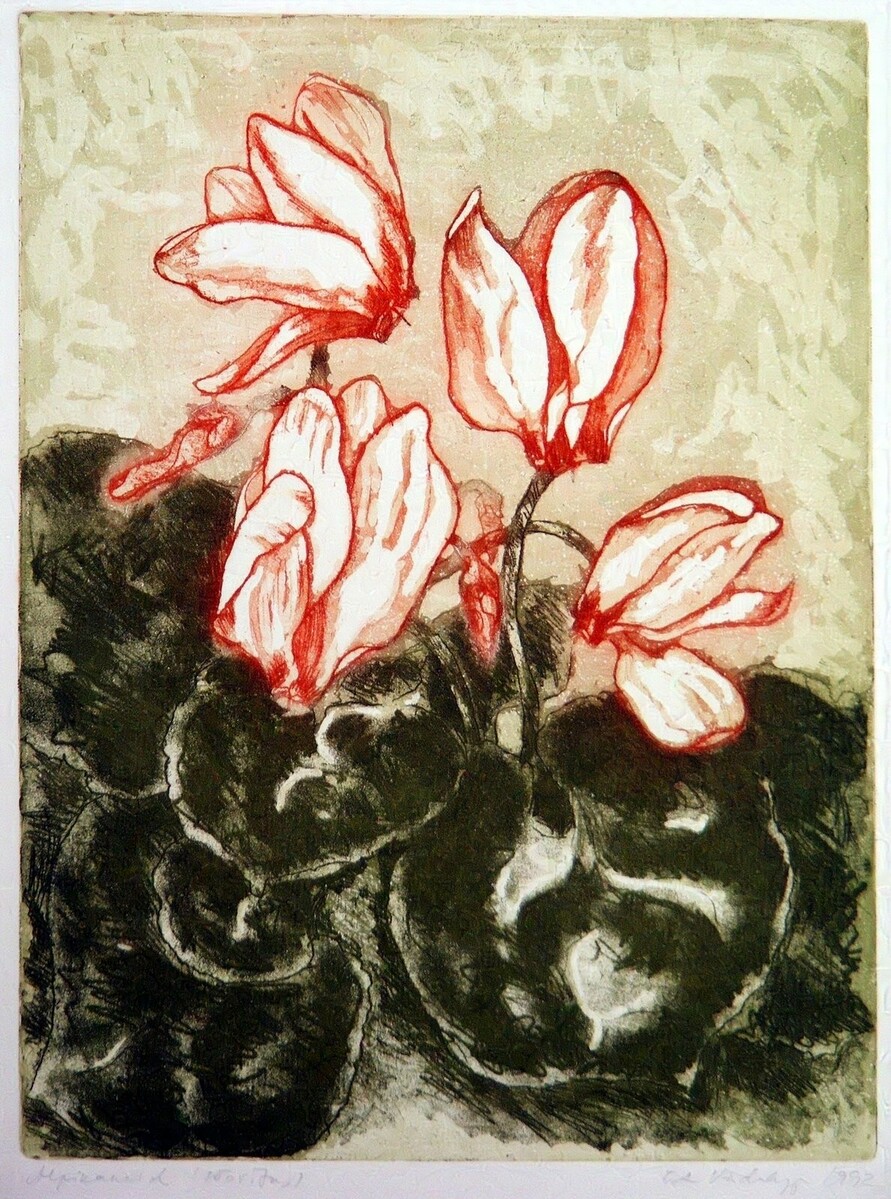
Flowers and views of nature were born from Viidalepp's nimble hand; she depicted her home town of Tartu a great deal, both in small prints and in ex-libris. In the late years of her life, she turned to modern abstractionism, and also began a series of folkloristic 'Song of Creation', which began with small ex-libris and resulted in three pictures, each nearly a metre long.
She was a member of the Estonian Association of Free Graphic Artists (1996), the Tartu Artists' Association (1997) and the Association of Letter Artists (1986).